Best AEO Tools for B2B SaaS in 2026
The best AEO tools solve one specific problem. They tell you whether ChatGPT, Perplexity, Gemini, and Google’s AI Overviews are actually citing your brand.
That’s a different job than a rank tracker. It’s also a different job than a content platform with an AI feature bolted on.
According to Goodfirms’ 2026 survey of 100 marketing and SEO practitioners across 20-plus countries, 89% of brands already appear in AI-generated search results. Only 14% of marketers actually track it. Most of your competitors are flying blind on the fastest-growing research surface in B2B software buying.
This roundup covers the best AEO tools as they actually price out this month, not the list price on a homepage.
What AEO Tools Actually Do
The best AEO tools run a defined set of prompts against multiple AI engines on a schedule. They report back which ones mention your brand, cite your URLs, or leave you out entirely.
Most also flag competitor mentions in the same prompts. Many track sentiment in how you’re described. Several audit whether your pages are technically crawlable by the AI engines in question. What they cannot tell you is which off-site platforms are actually driving citations in your category. That question sits upstream of any tool, and the citation data on G2 and Capterra is a good place to start before you decide where to build your third-party presence.
None of the tools below write content for you in any meaningful way. They measure whether the content you already have is working.
The 8 Best AEO Tools, Compared
Each tool below is broken down on the same five points: what it does, which engines it covers, what it costs, its standout feature, and who it fits best. Same questions, every time, so no tool gets a longer writeup just because it has a better press page.
1. Otterly.ai
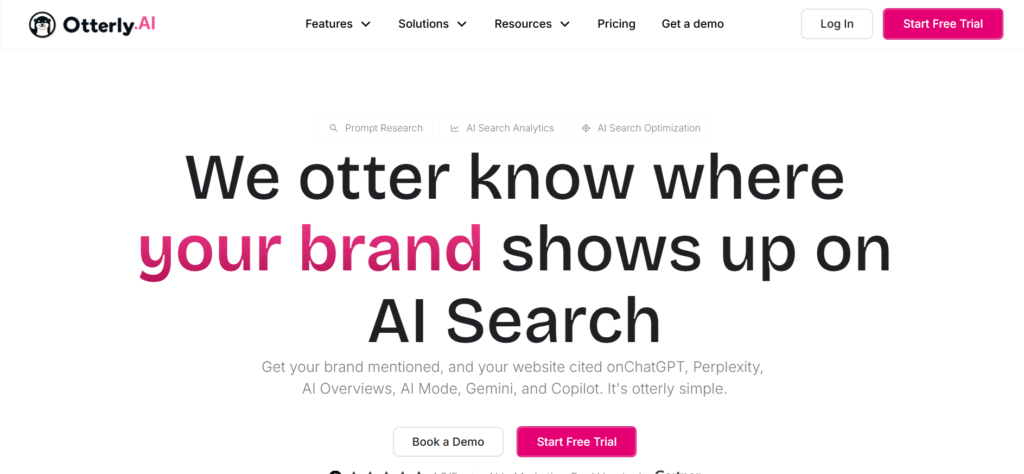
Otterly.ai runs scheduled prompts across AI engines and reports back on mentions, citations, and competitor presence.
- Engines: ChatGPT, Google AI Overviews, Perplexity, and Microsoft Copilot on the base plan. Gemini, Claude, and Google AI Mode are paid add-ons.
- Pricing: From $29/month (Lite).
- Standout feature: A GEO audit that checks crawlability and content extractability, directly relevant to the rendering issue in our AI crawler rendering guide.
- Best for: Teams that want the lowest-cost credible entry point among the best AEO tools, and can live with tight prompt caps at that price.
2. Peec AI
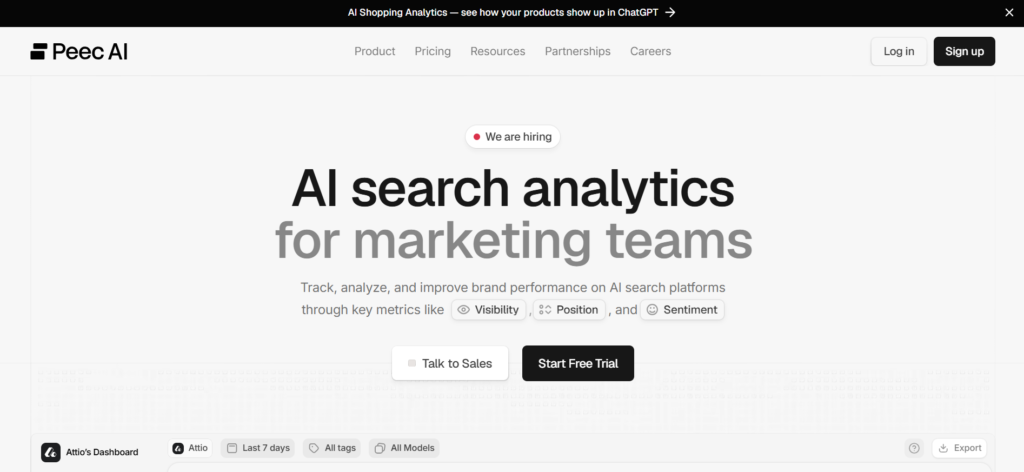
Peec AI tracks brand visibility, sentiment, and competitor share of voice across major AI engines.
- Engines: ChatGPT, Perplexity, and Gemini on self-serve tiers. Claude and GPT-5 Search are locked to Enterprise.
- Pricing: $95/month (Starter, 50 prompts), $245/month (Pro, 150 prompts), $495/month (Advanced, 350 prompts). Unlimited seats on every tier.
- Standout feature: Unlimited seats at every price point, unusual in this category.
- Best for: Agencies or teams running AI visibility reporting across multiple clients or brands.
3. Writesonic GEO
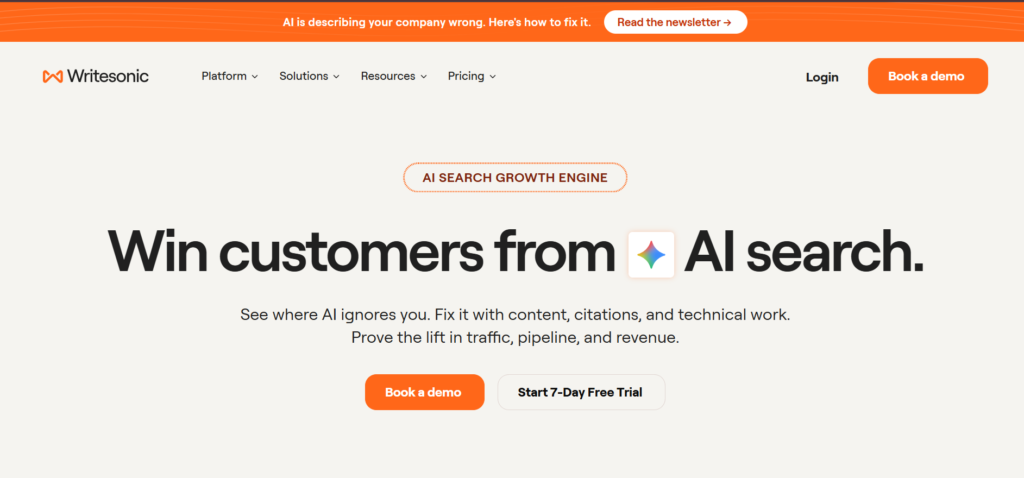
Writesonic bundles AI visibility tracking with content generation in one platform.
- Engines: ChatGPT, Perplexity, Gemini, Claude, and Copilot, with coverage varying by tier.
- Pricing: Reported between $79 and $249/month depending on which tier unlocks GEO features specifically. Verify current pricing directly before budgeting.
- Standout feature: A 120-million chatbot conversation dataset feeding its prompt-volume data, genuinely unique among these tools.
- Best for: Teams that want tracking and content production in the same seat, not teams that only need measurement.
4. Rankscale.ai
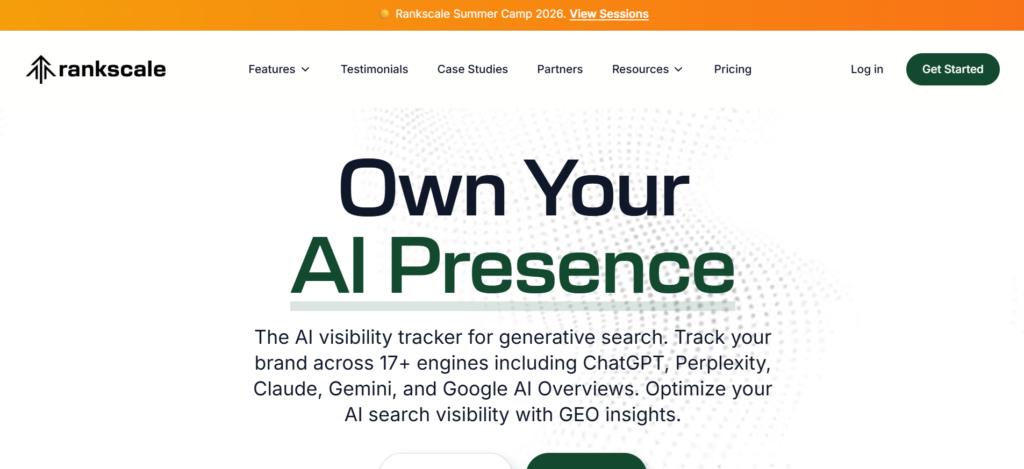
Rankscale.ai tracks brand visibility with the broadest engine coverage of any tool on this list.
- Engines: 17-plus, including ChatGPT, Perplexity, Gemini, Claude, Copilot, DeepSeek, Grok, and Mistral, all in one plan with no per-engine add-on fees.
- Pricing: Credit-based, from $20/month (Essentials) up to $780/month (Enterprise).
- Standout feature: GEO site audits that score pages for AI-answer readiness, plus multi-market and multi-language coverage most competitors don’t offer.
- Best for: Agencies or brands operating outside the US-only engine set.
5. Profound
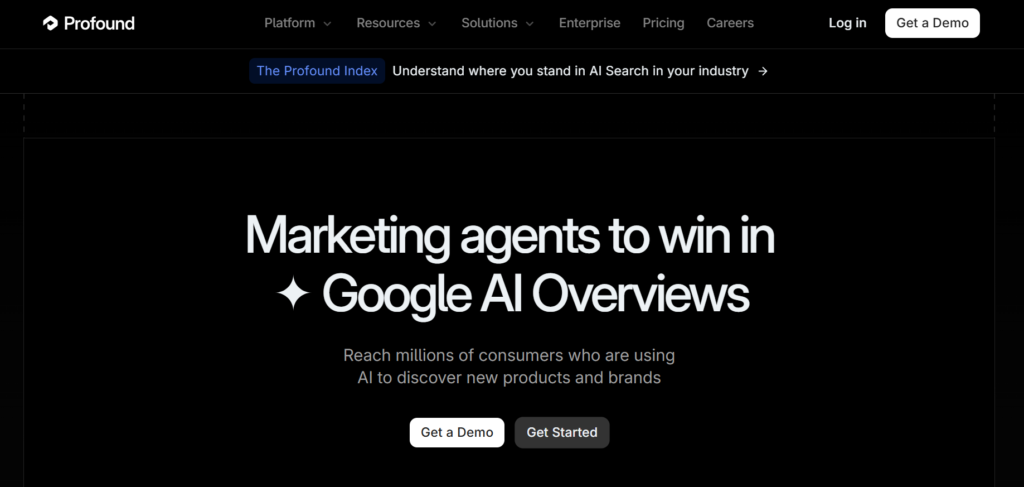
Profound tracks AI citations with enterprise-grade revenue attribution modeling.
- Engines: Up to ten, including ChatGPT, Perplexity, Claude, Gemini, Grok, Copilot, Meta AI, DeepSeek, and Google AI Overviews, on Enterprise.
- Pricing: Largely demo-gated rather than published. Third-party-confirmed figures put a realistic multi-engine entry point around $399/month.
- Standout feature: SOC 2 compliance and attribution modeling that ties citations to revenue, not just a mentions count.
- Best for: Sales-led organizations that need to defend AI visibility spend to a CFO.
6. AthenaHQ
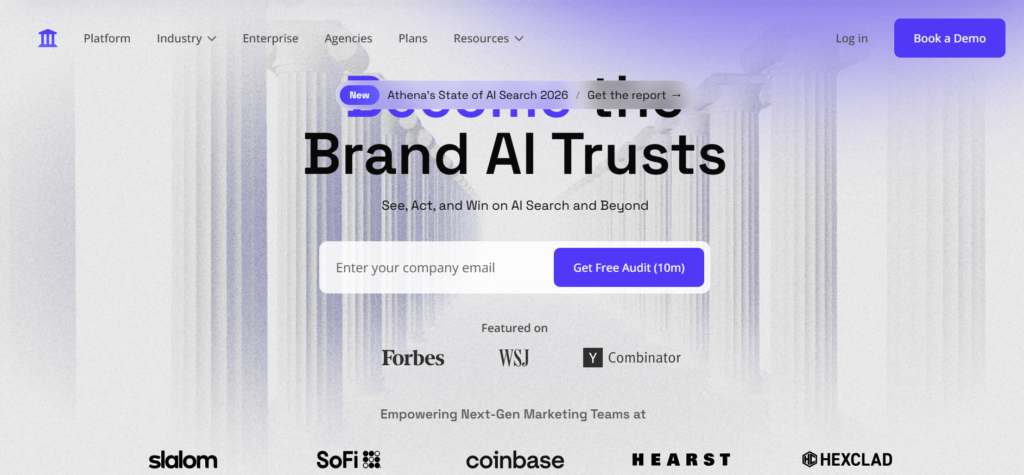
AthenaHQ tracks AI visibility with white-label reporting built for agencies.
- Engines: Five free (ChatGPT, Perplexity, Google AI Overviews, Gemini, Claude), nine on Starter, adding AI Mode, Copilot, and Grok.
- Pricing: Genuine free tier. Starter runs around $295/month.
- Standout feature: The free tier itself, wide enough to run a real evaluation before spending anything.
- Best for: Agencies that want to test before buying, then white-label the reporting for clients.
7. Scrunch AI
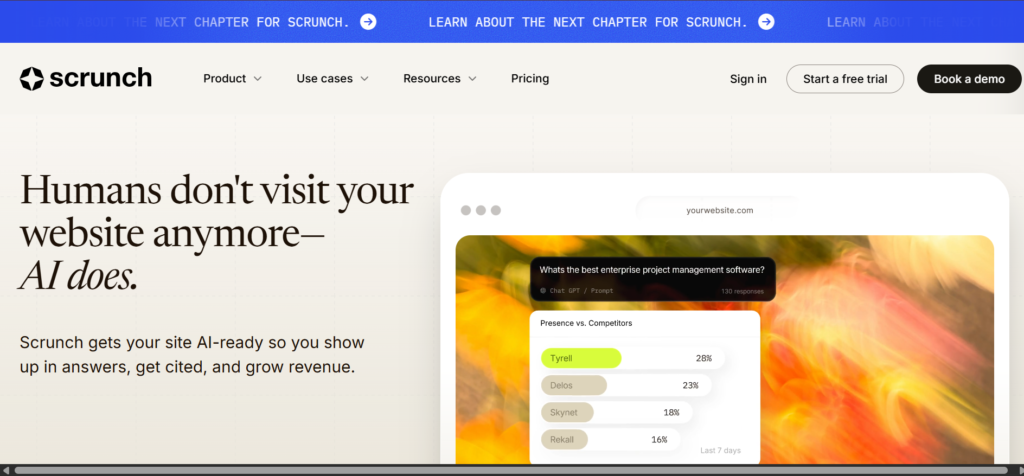
Scrunch AI pairs citation tracking with competitive analysis and content delivery to AI agents.
- Engines: Enterprise-grade multi-engine coverage; exact count is not published outside custom Enterprise plans.
- Pricing: Around $300/month, in the same territory as Profound’s entry pricing.
- Standout feature: An Agent Experience Platform that serves AI-optimized content to crawlers directly, distinct from pure monitoring.
- Best for: Teams that want deep competitive intelligence specifically, over broad attribution reporting.
8. Promptmonitor
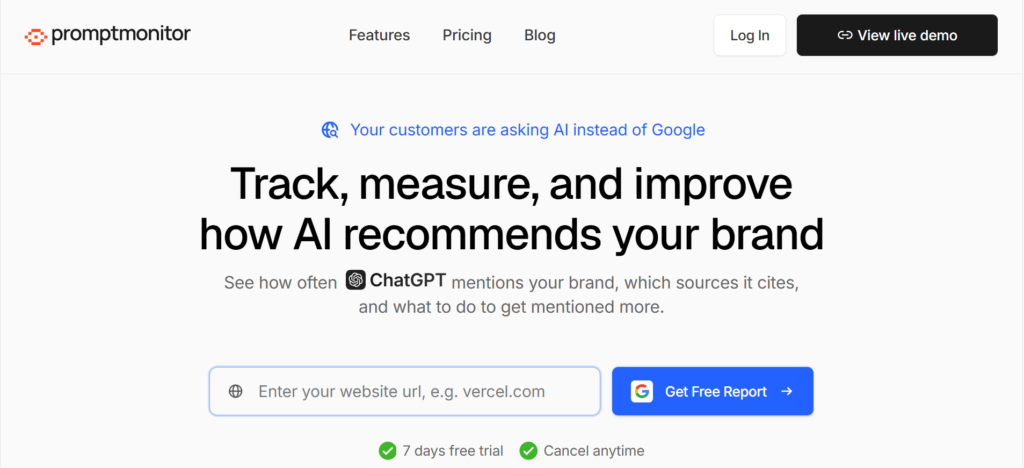
Promptmonitor tracks brand mentions across AI engines at a fixed monthly price, no credit system.
- Engines: Multiple models including ChatGPT, Claude, Gemini, and Perplexity, per published feature comparisons.
- Pricing: Around $29/month, fixed, no credit math required.
- Standout feature: AI crawler analytics that show which pages bots actually visit, plus publisher-contact discovery for outreach.
- Best for: Teams that want Otterly-level pricing without the add-on structure, minus the content generation layer.
How to Actually Choose
Start with your budget band, not the feature list. Most of the best AEO tools cluster into three real tiers.
Under $50/month gets you Otterly.ai, Promptmonitor, or Rankscale.ai for straightforward monitoring, with Rankscale offering by far the widest engine coverage of the three. $89 to $250/month covers Peec AI or Writesonic GEO. $400-plus moves you into Profound or Scrunch AI territory, which only makes sense once you need to defend the spend with attribution data.
Two questions matter more than the price tag.
First, which engines does your actual buyer use? A tool that covers ChatGPT, Perplexity, and Copilot but treats Gemini as a paid add-on is a bad fit if Gemini is where your buyers actually are. Our Claude vs. ChatGPT vs. Gemini vs. Perplexity vs. Grok comparison is worth checking before you commit to a coverage set.
Second, do you need measurement alone, or measurement plus execution? One thing worth knowing before you decide: if a large part of your current third-party strategy is built around review profiles, the citation data on G2 and Capterra changes the calculus on how much of your AEO spend should go toward monitoring those channels versus others.
Whichever you pick, tie it back to real numbers. Our guide to SaaS content marketing metrics that actually matter covers how to connect AEO tracking to pipeline instead of watching a mentions count in isolation. And our complete guide to AI visibility for B2B SaaS covers the strategy these tools are meant to support.
Frequently Asked Questions
Do AEO tools actually predict AI-driven revenue?
Not reliably yet. Multiple independent reviewers, including testers who ran several tools side by side over multiple months, report no consistent correlation between rising AI mention scores and actual traffic or conversion increases. Treat the best AEO tools as visibility measurement, not a guaranteed pipeline forecast.
What’s the difference between an AEO tool and a rank tracker?
A rank tracker measures position in traditional search results. An AEO tool runs prompts against conversational AI engines and measures whether your brand gets mentioned or cited in the generated answer.
That’s a fundamentally different, less stable signal. EMARKETER’s 2026 research found that between 40% and 60% of cited sources change month to month across Google AI Mode and ChatGPT.
Can I start with a free tool before paying for anything?
Yes. AthenaHQ offers a genuine free tier sufficient for an initial evaluation. Several tools, including LLMrefs, offer freemium access, though coverage and prompt volume are limited compared to paid tiers.
Do I need an AEO tool if I already use Google Search Console?
Search Console shows Google-side signals only. None of the standalone AI assistants report citation data back to site owners the way Search Console does for Google. An AEO tool is currently the only way to see how ChatGPT, Claude, or Perplexity are representing your brand.
Which of the best AEO tools is right for a small B2B SaaS team?
Start with Otterly.ai or Promptmonitor if budget is the main constraint. Both stay under $50/month and cover the core engines most B2B buyers actually use. Upgrade once you can tie AI citations to a real pipeline number, not before.
If you’d rather have a team build the content these tools are measuring, our guide to top AI SEO agencies for B2B SaaS covers who does that work well, or track your own visibility first with our best AI visibility tracking tools roundup. Or book a free 30-minute call with us directly.

Jay is the co-founder of LymLyt and an AI partnership consultant helping B2B SaaS companies grow through content strategy, SEO, and AI integration. He writes about content marketing, what makes B2B content convert, and how SaaS teams can build content systems that drive real pipeline.