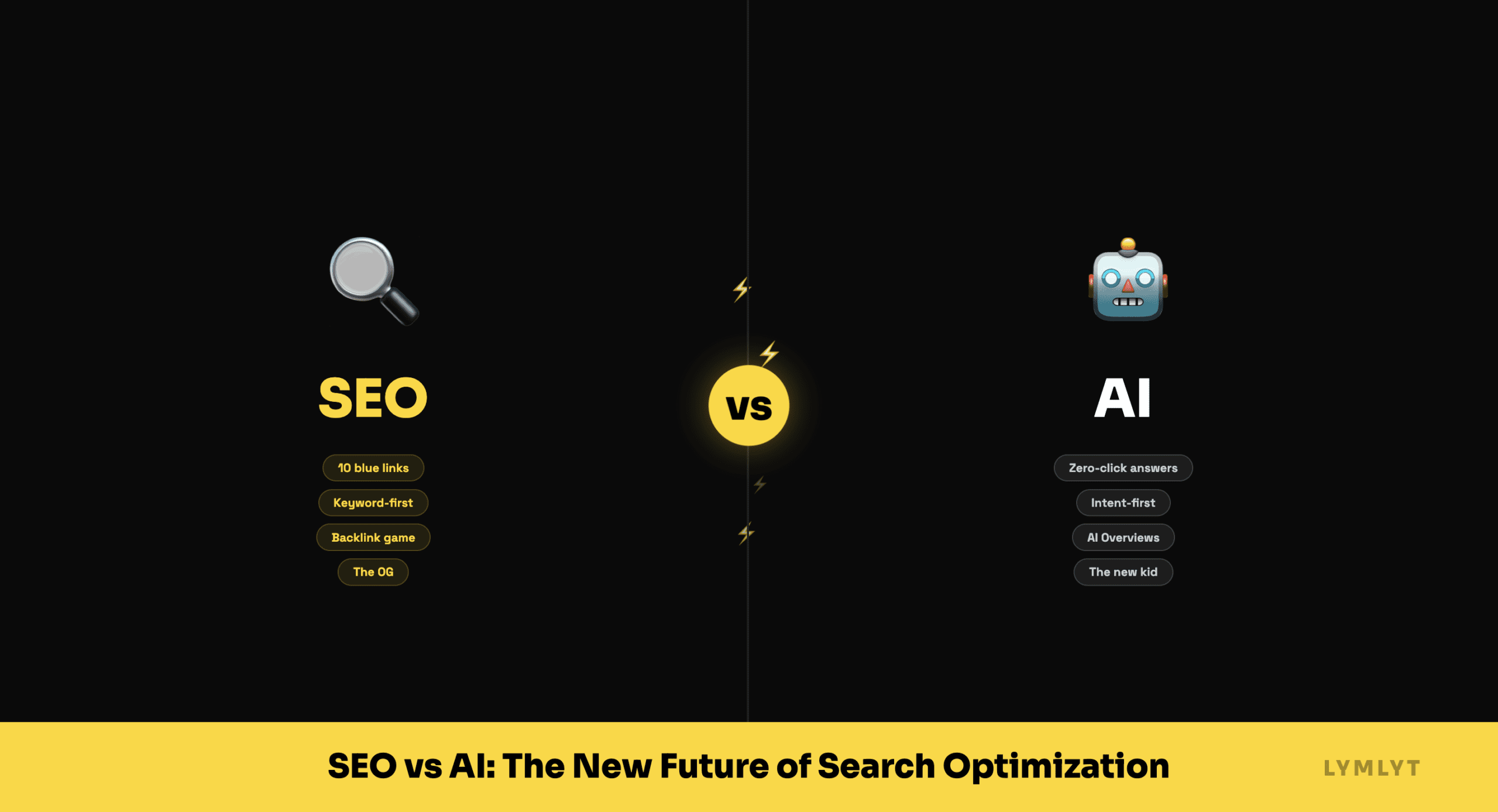
SEO vs AI: The New Future of Search Optimization
Search Engine Optimization has long been the backbone of digital visibility. But with the explosive advancement of Artificial Intelligence, particularly generative models and intelligent algorithms, SEO is undergoing one of the most profound transformations in its history.
AI is not only changing how search engines interpret queries, but also how content is created, delivered, and consumed. From smarter algorithms to AI-generated content, the rules of the SEO game are being rewritten in real time.
There are still SEO writing tips that rank on Google today. But the landscape around them is shifting fast. Here is a breakdown of what is driving those changes.
What Is Causing the SEO vs AI Shift
1. Smarter Search Algorithms
Search engines like Google have integrated powerful AI components including RankBrain, BERT, and MUM that:
- Understand natural language more like a human would
- Interpret searcher intent, not just keywords
- Evaluate context, sentiment, and meaning
Impact: SEO strategies now need to focus on meaningful, well-structured, user-focused content rather than keyword density. Topic clusters outperform keyword lists precisely because they signal this kind of semantic depth.
2. The Rise of Generative AI Tools
AI tools like ChatGPT, Jasper, and Copy.ai are being used to mass-produce blog posts, product descriptions, and more, automating tasks like keyword analysis, meta tag creation, and content planning.
Impact: The web is being flooded with AI-generated content. Search engines must filter quality from quantity, which is why topical authority now matters more than ever. Sites that cover a subject comprehensively and consistently will outrank those producing high volumes of disconnected content.
3. Enhanced Personalization in Search
AI allows search engines to deliver hyper-personalized results based on search history, location, and user behaviour.
Impact: SEO now needs to consider user intent segmentation and create content that speaks to specific readers rather than a broad audience. This is the same principle behind writing for your ICP rather than a generic market.
4. Emergence of AI-Powered Interfaces
Users are increasingly turning to voice assistants, AI chatbots, and AI-driven recommendation systems on platforms like YouTube and TikTok.
Impact: SEO must adapt to new forms of search beyond Google’s traditional search bar. Conversational queries, voice search, and AI summary answers are all now part of the visibility equation.
5. Zero-Click and Summarized AI Answers
Search engines are beginning to offer direct answers via featured snippets or AI summaries, displaying information without users needing to click through to websites.
Impact: SEO focus is shifting from just getting clicks to owning answer boxes, snippets, and branded presence directly in search results. Using the best keyword research tools helps identify which queries are worth targeting for featured snippet placement.
6. Real-Time Data and Predictive Analytics
AI enables predictive search trends analysis, real-time competitor tracking, and smarter content performance forecasting.
Impact: SEO is becoming more data-driven and strategic, requiring content marketing metrics that actually matter rather than vanity numbers like raw page views.
The Evolution of SEO: From Keywords to Context
In its early days, SEO was mechanical. Optimising meant stuffing keywords into meta tags, creating backlinks, and tweaking page titles. The focus was purely on pleasing search engines, even if it meant sacrificing readability.
With updates like Google Panda, Penguin, and Hummingbird, the landscape changed drastically. Search engines began prioritising quality content and user experience over manipulative tactics. Semantic search, mobile-first indexing, and E-A-T (Expertise, Authoritativeness, Trustworthiness) pushed marketers to align with human intent.
Many people still confuse the two disciplines. SEO vs. Content Writing covers that distinction in full.
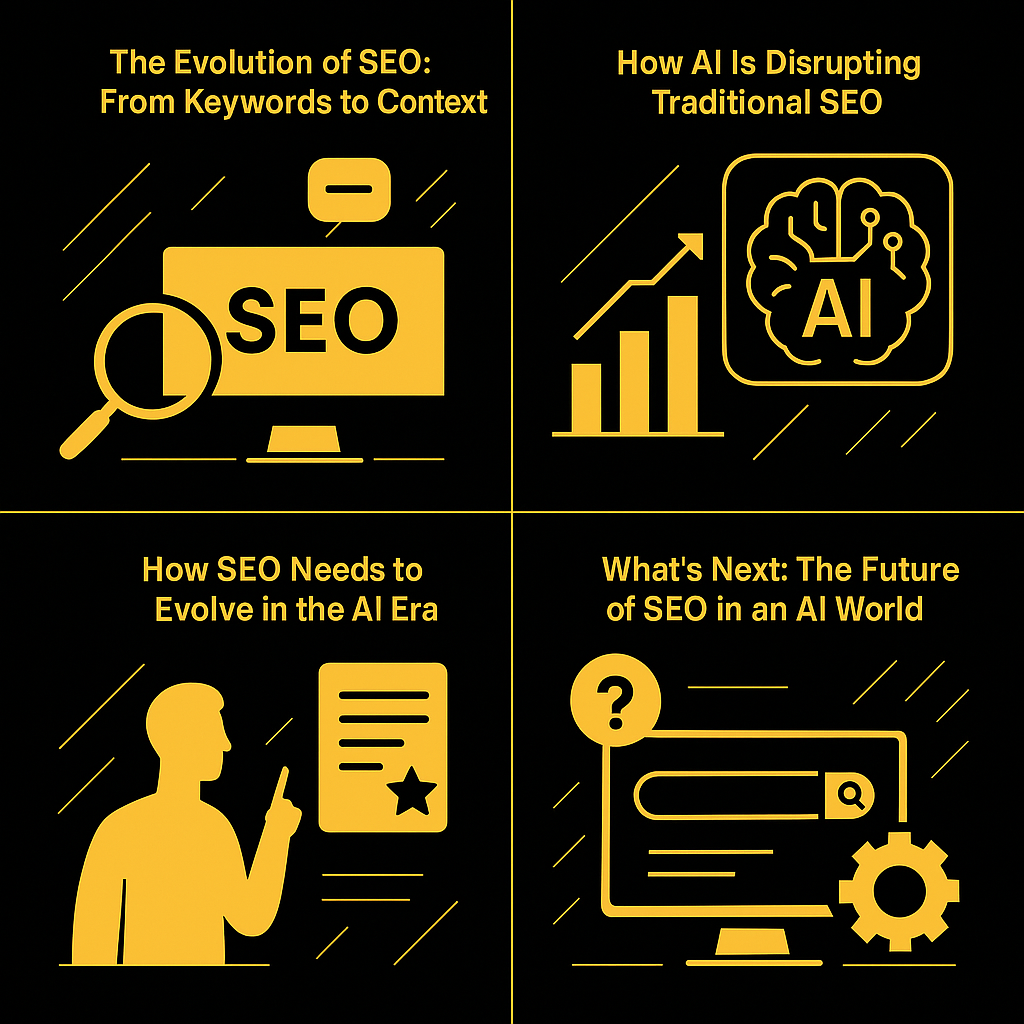
How AI Is Disrupting Traditional SEO
1. AI-Powered Search Algorithms
Google’s integration of RankBrain, BERT, and MUM has elevated how search engines understand queries. These models process context, user intent, and nuance, making it harder to game the system through keywords alone.
SEO now focuses on topic depth, semantic relationships, and intent-matching rather than ranking for specific phrases.
2. The Rise of AI-Generated Content
AI tools are enabling users to generate massive volumes of content quickly. While this democratises content creation, it also risks saturating the web with repetitive, low-quality material.
Search engines are responding with more sophisticated content evaluation, raising the bar for originality, depth, and human insight. This is exactly why most B2B blogs are failing despite publishing more than ever. Volume without substance is now actively penalised.
3. Automated SEO Tools and Optimization
AI is being used not just for content creation, but also for optimisation tasks like:
- Keyword clustering
- Internal linking: building a real SaaS content engine depends on this being done systematically
- Technical audits
- SERP analysis
This allows SEO professionals to be more data-driven and efficient, but also raises the stakes as competitors access the same tools.
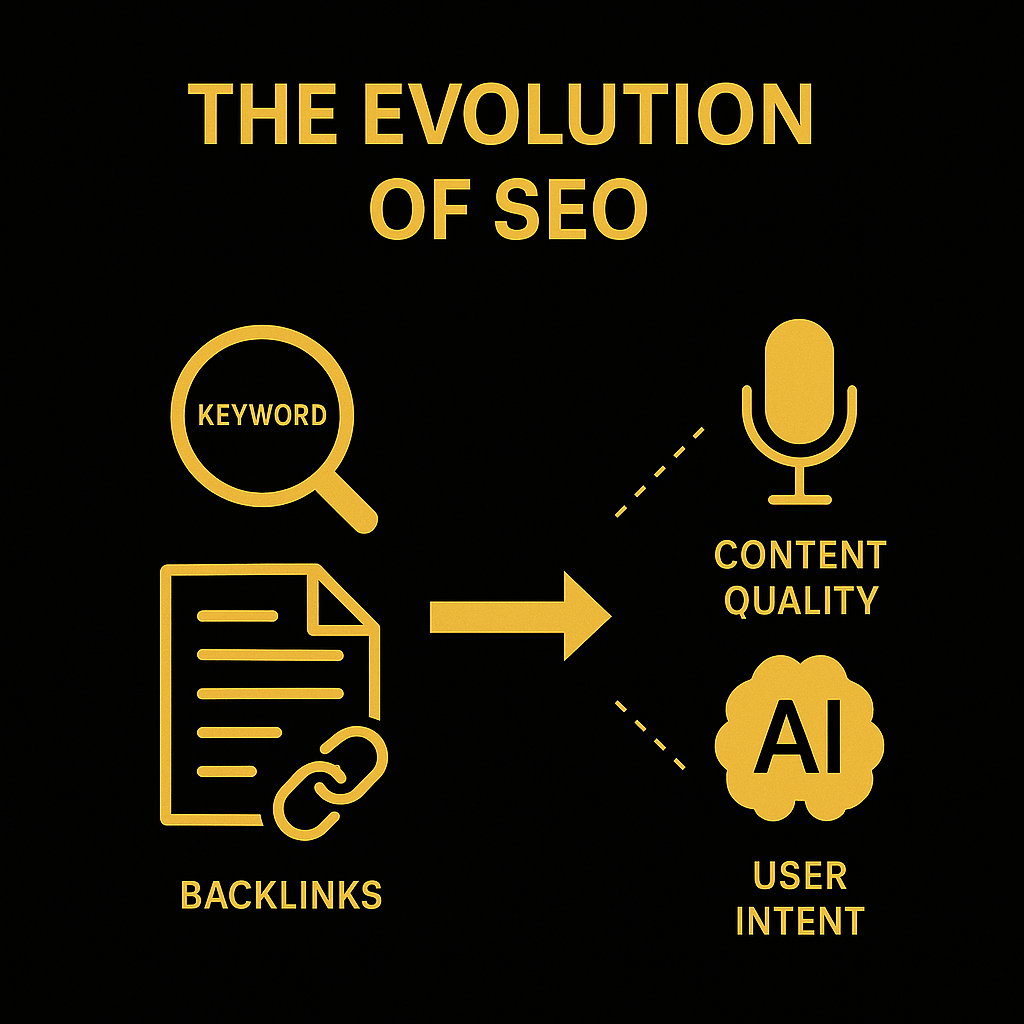
How SEO Needs to Evolve in the AI Era
Quality Over Quantity
With AI making content creation easier, the challenge is to stand out. Search engines will favour content that delivers unique insights, expert opinions, and lived experiences. Things AI cannot replicate at scale.
Human Experience Matters More
Google’s E-E-A-T guidelines now emphasise Experience in addition to Expertise, Authoritativeness, and Trust. Content that reflects real-life knowledge and personal input will consistently outrank generic AI-generated material. This is why content marketing for SaaS startups needs a practitioner voice behind it, not just an AI prompt.
Personalization and Adaptive Content
AI allows for more personalised search results based on user behaviour, preferences, and location. SEO strategies must adapt by creating content tailored for different user intents, not just keywords.
Beyond Google: Optimizing for AI Interfaces
As more users rely on voice assistants, smart devices, and chat-based search, SEO must expand its focus. This means optimising for conversational queries, voice search, and generative AI summaries, all of which reward well-structured content with clear topical authority.
What’s Next: The Future of SEO in an AI World
Zero-Click and Instant Answers
AI-powered snippets and summaries are reducing the need for users to click on links. This increases the importance of being featured directly in search results through rich snippets and answer boxes.
Search Beyond the Search Engine
Search is expanding into platforms like TikTok, YouTube, and AI chatbots. SEO professionals must now consider platform-specific optimization and brand visibility across multiple discovery channels.
Predictive SEO
AI can help forecast trends and user behaviour, enabling marketers to create content proactively. SEO will become more predictive and strategic, anticipating needs rather than reacting to them.
AI-Enhanced but Human-Led Strategies
Despite automation, human creativity, storytelling, and ethical judgment will remain critical. The future SEO expert must be both analyst and strategist, blending AI insights with authentic content creation.
Conclusion: SEO Isn’t Dying. It’s Being Reinvented
The rise of AI is not the end of SEO. It’s the beginning of a smarter, faster, more personalized era of search.
| TIMEFRAME | SEO FOCUS | AI INTEGRATION | KEY FEATURES |
| PAST | Keywords, Backlinks,Meta Tags | Minimal or None | Manual Optimization, exact match keywords |
| PRESENT | Content Quality, Mobile-First, E-A-T | NLP, Voice Search | User Intent, Semantic Search, Real-time Data |
| FUTURE | Predictive SEO, Hyper-Personalization | Autonomous Content, Generative AI, AGI | AI-generated Content, Zero Click Results |
SEO is evolving from a checklist of technical tasks into a holistic, AI-enhanced discipline rooted in user experience, intent, and value. Those who embrace AI as a collaborative tool and not a shortcut will lead.
One thing is clear: SEO will not be about beating the algorithm, but about understanding and aligning with it, and using AI to build content that genuinely helps people.
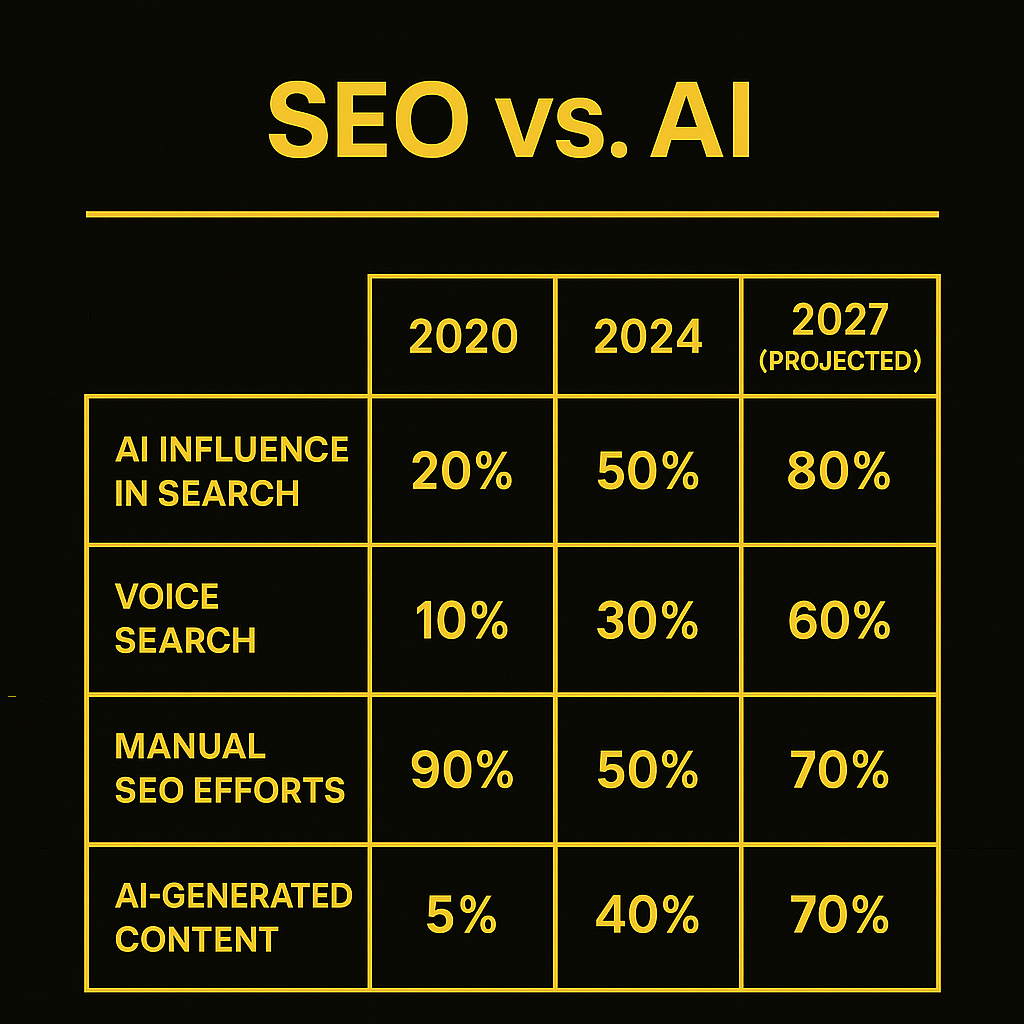
The above infographic visualizes the shifting dynamics between traditional SEO practices and the increasing influence of AI in search engine algorithms. These projections are based on current trends, industry reports, and forecasts from major platforms like Google, SEMrush, Ahrefs, and HubSpot.
- 2020 marked a time when SEO was still largely manual, focused on keywords, backlinks, and on-page optimization. AI influence was limited to basic ranking algorithms.
- By 2024, tools like Google’s BERT and MUM, along with the rise of voice search and AI content generation tools (like ChatGPT and Jasper), have drastically increased AI’s role.
- Looking ahead to 2027, AI is expected to handle the majority of search personalization, with predictive SEO, generative content, and zero-click search experiences dominating the landscape.
As we look ahead, one thing is clear: SEO won’t be about beating the algorithm, but about understanding and aligning with it—and using AI to build content that genuinely helps people.
Recommended Next Steps in the Age of AI-Driven SEO:
- Clarify your SEO and content goals: Define whether you are aiming for organic visibility, AI-assisted content creation, or enhanced engagement. Start with content marketing metrics that actually matter.
- Shortlist specialised agencies: Look for agencies that understand both traditional and modern optimisation. Here are the top B2B SaaS content marketing agencies worth considering.
- Analyse case studies and tools: Review how agencies have blended AI with SEO in past projects.
- Discuss AI integration options: Ask about how they customise strategies using AI insights, automation, and search intent analysis.
- Start small, scale smart: Begin with a pilot project before committing long-term.
SEO and AI technologies are evolving rapidly. Always perform due diligence before making a strategic investment.
If you need content that ranks in both traditional search and AI-powered results, let’s talk.

Jay is the co-founder of LymLyt and an AI partnership consultant helping B2B SaaS companies grow through content strategy, SEO, and AI integration. He writes about content marketing, what makes B2B content convert, and how SaaS teams can build content systems that drive real pipeline.